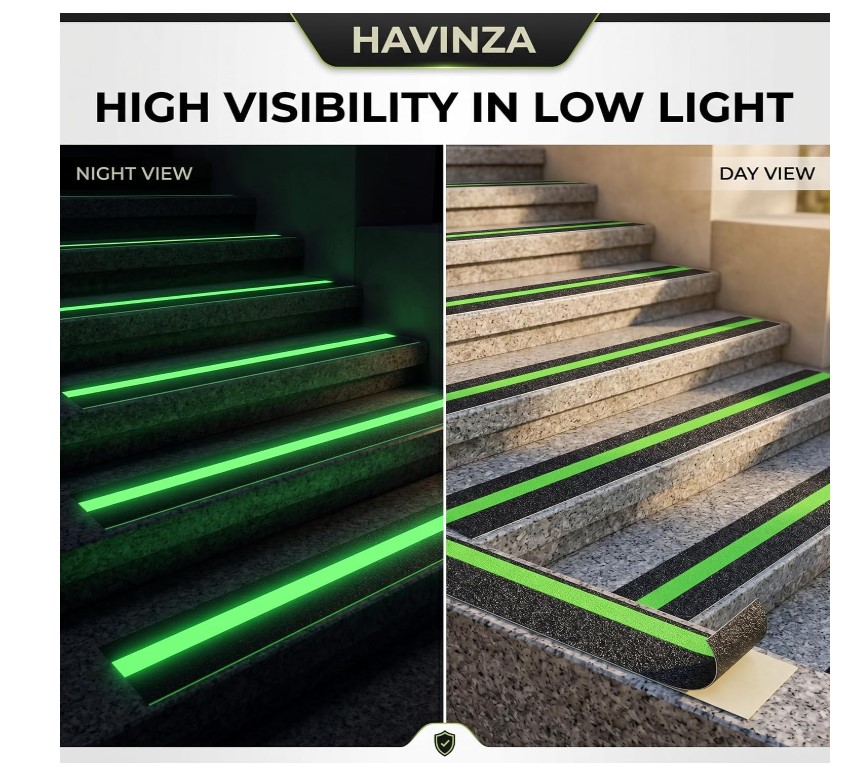
Safety is an important part of every home, workplace, commercial building, and industrial environment. Slippery floors, staircases, ramps, and walkways can increase the risk of slips, trips, and falls, particularly in areas exposed to water, dust, oil, or heavy foot traffic. One simple and practical solution for improving traction on many walking surfaces is Anti Slip Tape.
Anti slip tape is a specially designed adhesive tape that provides additional grip underfoot. It is commonly used on stairs, ramps, smooth floors, ladders, and other surfaces where slipping may be a concern. Available in different materials, colors, textures, and sizes, this versatile safety product can be used in residential, commercial, and industrial settings.
Whether you want to make your home staircase safer, improve traction in a workplace, or create more visible walking paths, anti slip tape can be a convenient addition to your safety measures.
In this detailed blog, we will explore what anti slip tape is, its different types, major uses, benefits, installation methods, and tips for selecting the right product.
What Is Anti Slip Tape?
Anti slip tape is an adhesive-backed safety tape designed to increase friction between footwear and a surface. Many varieties feature a textured or abrasive upper layer that provides better traction than a smooth floor.
The tape typically consists of a durable backing material, an adhesive layer, and a textured surface. Some products use mineral abrasives, while others use rubberized or textured polymer surfaces for grip.
Anti slip tape is available in different formats, including narrow strips for stairs, wider rolls for walkways, transparent options for discreet applications, and high-visibility varieties for workplaces.
Its primary purpose is to help reduce the risk of slipping by improving traction. However, its effectiveness depends on the product, installation quality, surface condition, and surrounding environment. It should be considered one part of a broader safety strategy rather than a complete solution to every slip hazard.
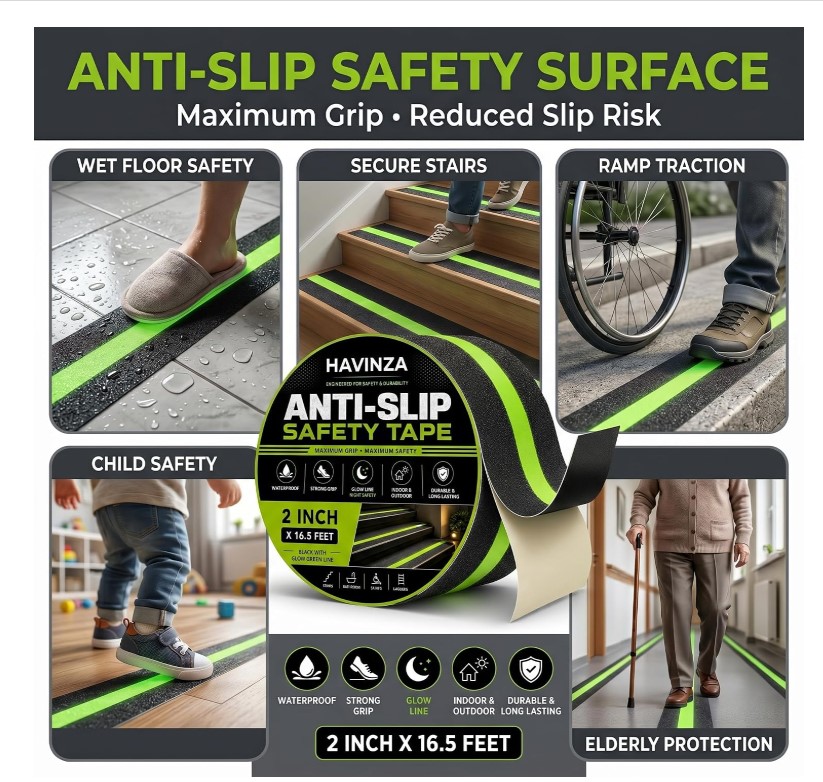
1. Improves Safety on Staircases
Staircases are common locations for slips and falls, particularly when the steps are smooth, polished, or exposed to moisture.
Applying anti slip tape to suitable stair treads can provide additional traction and help people maintain their footing while moving up or down the stairs.
It is useful in homes, apartment buildings, offices, schools, shops, and other places where staircases are used regularly.
For example, anti slip tape can be installed near the front edge of each step to create a more secure foothold. Contrasting colors can also make the edges of steps easier to distinguish, especially when visibility is limited.
Before installation, select tape designed for stair use and ensure that the tread surface is clean, dry, and structurally sound.
2. Ideal for Ramps and Walkways
Ramps and walkways may become slippery because of rainwater, dust, mud, or other contaminants. This can create difficulties for pedestrians, delivery workers, and people carrying heavy items.
Anti slip tape can be applied to suitable ramps and walking routes to improve traction under appropriate conditions.
It may be useful near building entrances, loading areas, accessible routes, and indoor transitions between different floor levels.
For outdoor applications, choose a product specifically designed to withstand weather exposure, temperature changes, and moisture. Standard indoor tape may lose adhesion when exposed to rain, sunlight, or repeated cleaning.
Keep in mind that anti slip tape does not eliminate the need for proper drainage, suitable ramp gradients, handrails, or routine maintenance.
3. Useful in Kitchens and Other Wet Areas
Kitchens, utility rooms, and certain wash areas can experience frequent spills and splashes. These conditions may increase the risk of slipping, especially on smooth flooring.
Suitable anti slip tape can provide additional grip in selected areas where the floor material and environmental conditions are compatible with the product.
For example, it may be installed near certain workstations, at suitable entrances, or on compatible steps leading into utility areas.
However, not every anti slip tape is designed for continuously wet environments. Choose a product specifically rated for the expected moisture level, cleaning chemicals, and foot traffic.
Tape should not be applied where it could interfere with drainage or create raised edges that become trip hazards. For floors that remain wet or greasy, appropriate flooring materials and effective cleaning procedures are also essential.
4. Enhances Safety in Industrial and Commercial Spaces
Factories, warehouses, workshops, and commercial buildings often have areas where employees move equipment, transport materials, or work around machinery.
Anti slip tape can be used on selected stairs, platforms, access routes, and other compatible surfaces to improve traction and support workplace safety measures.
High-visibility tape may also help identify step edges, designated walking paths, and changes in floor level.
For demanding environments, industrial-grade anti slip tape is often a better choice than a basic household product. It may offer stronger adhesive performance, increased abrasion resistance, and better suitability for heavy foot traffic.
Before installation, assess exposure to oil, chemicals, moisture, temperature fluctuations, and cleaning equipment. Use a product specifically rated for the relevant hazards, and never treat tape as a substitute for guarding, proper footwear, or required workplace safety controls.
5. Provides Grip on Ladders and Equipment
Ladders, platforms, and equipment access points can become hazardous when their surfaces are smooth or worn.
Certain anti slip tapes are designed for use on compatible ladder steps, tool platforms, and equipment surfaces. They can help increase friction where hands or feet make contact.
For instance, tape may be suitable for selected step surfaces in workshops or maintenance areas.
However, ladder use requires particular care. Only apply tape if it is compatible with the ladder manufacturer’s instructions and does not conceal damage, interfere with moving parts, or compromise the ladder’s construction.
Never use ordinary tape as a repair for a damaged ladder or as a substitute for purpose-built anti slip steps.
Types of Anti Slip Tape
Different applications require different types of anti slip tape. Understanding the available options can help you make a better purchasing decision.
1. Abrasive Anti Slip Tape
Abrasive anti slip tape has a rough surface containing mineral particles or similar materials that provide traction. It is commonly used on stairs, ramps, and industrial walkways.
It is generally suitable for locations where strong grip is needed, although its rough texture may be uncomfortable for bare feet or unsuitable for delicate footwear.
2. Non-Abrasive Anti Slip Tape
Non-abrasive varieties use textured or rubber-like surfaces to provide grip without the harsh feel of a traditional abrasive coating.
Depending on the design, they may be suitable for certain indoor areas, recreational environments, or applications where users frequently walk barefoot.
Always check the manufacturer’s intended use before selecting this type of tape.
3. Transparent Anti Slip Tape
Transparent anti slip tape provides a less noticeable finish while adding traction to compatible surfaces.
It can be useful when you want to maintain the appearance of flooring, steps, or decorative surfaces.
However, transparency does not guarantee that the tape will remain invisible. Dust, trapped air, wear, and adhesive residue may affect its appearance over time.
4. High-Visibility Anti Slip Tape
High-visibility tape is often available in bright colors or contrasting patterns, including yellow and black.
It can help draw attention to stair edges, floor transitions, and designated walking routes.
This type is commonly used in industrial, commercial, and public environments where visual identification is important.
5. Heavy-Duty and Outdoor Anti Slip Tape
Heavy-duty varieties are designed for more demanding conditions, while outdoor products may offer improved resistance to weather, water, and temperature changes.
These products can be useful for exterior stairs, loading zones, ramps, and other exposed surfaces when the manufacturer specifically approves the application.
Major Benefits of Anti Slip Tape
Anti slip tape offers several practical advantages:
- Improved traction: Its textured surface can help reduce slipping on compatible walking surfaces.
- Easy application: Many products can be cut to size and applied without specialized installation equipment.
- Versatile use: Different versions are available for stairs, ramps, walkways, equipment, and selected household areas.
- High visibility: Colored varieties can make changes in floor level easier to notice.
- Space-efficient design: The tape adds relatively little height compared with many bulky surface treatments.
- Cost-effective installation: It can be a practical option for targeted areas where additional traction is needed.
- Multiple design choices: Different widths, colors, textures, and materials make it easier to match the product to the application.
Actual performance depends on correct product selection, proper installation, and ongoing inspection.
How to Install Anti Slip Tape Correctly
Proper installation is essential for effective performance and long-lasting adhesion.
Step 1: Clean the surface. Remove dirt, grease, dust, loose paint, and other contaminants using a suitable cleaning method.
Step 2: Allow the surface to dry. Moisture can prevent the adhesive from bonding properly. Follow the manufacturer’s requirements for surface preparation.
Step 3: Measure the area. Determine the appropriate length and width for the stair tread, ramp, or other intended application.
Step 4: Cut the tape. Use suitable scissors or a cutting tool, following safe handling practices.
Step 5: Apply carefully. Remove the backing gradually and press the tape firmly onto the surface, avoiding wrinkles and trapped air.
Step 6: Allow the adhesive to set. Follow the manufacturer’s instructions regarding curing time and when the surface can be used.
Step 7: Inspect the installation. Check that the edges are secure and that no section is lifting or creating a trip hazard.
Tips for Choosing the Right Anti Slip Tape
Before purchasing anti slip tape, consider the following factors:
- Surface material: Make sure the adhesive is compatible with concrete, wood, metal, tile, or the material you intend to cover.
- Location: Indoor and outdoor applications may require different products.
- Moisture exposure: Choose a variety rated for the expected wet conditions.
- Traffic level: Heavy-duty products may be more appropriate for busy commercial or industrial areas.
- Texture: Select a roughness level suitable for footwear, bare feet, and the intended activity.
- Visibility: Choose transparent or high-contrast options based on the surroundings and visibility requirements.
- Maintenance: Check whether the tape can withstand regular cleaning and the cleaning products used in that area.