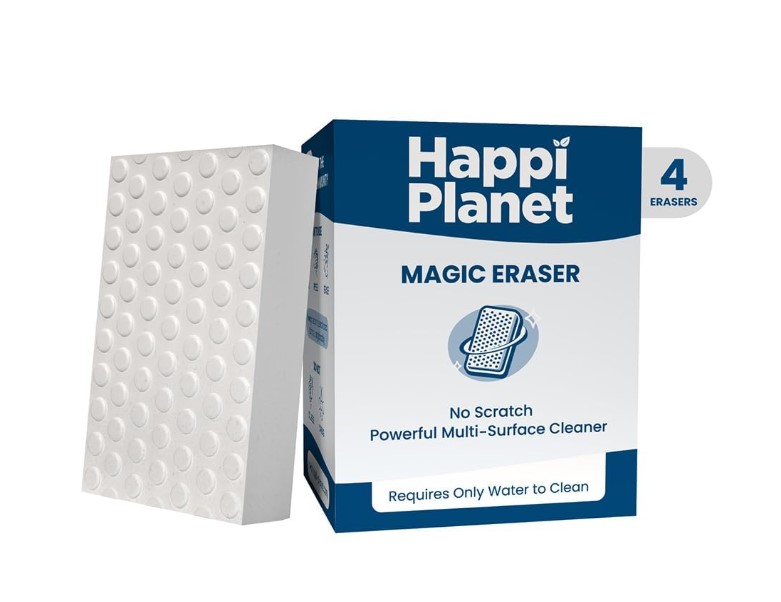
Keeping your home clean and hygienic is an essential part of everyday life. From kitchen countertops and bathroom tiles to sinks, dishes, and household appliances, different surfaces require regular cleaning to remove dirt, grease, stains, and everyday buildup. While many cleaning products are available, one simple tool that makes household cleaning easier is the Multi-Surface Cleaning Sponge.
Designed for versatile cleaning tasks, a multi-surface cleaning sponge can help remove common dirt and grime from a variety of household surfaces. Depending on its material and design, it may be suitable for washing dishes, wiping countertops, cleaning bathroom fixtures, and tackling stubborn marks. Its practical design makes it a useful addition to kitchens, bathrooms, offices, and other spaces that need regular maintenance.
In this detailed blog, we will explore what a multi-surface cleaning sponge is, its different types, everyday uses, key benefits, and tips for choosing and maintaining the right sponge for your cleaning needs.
What Is a Multi-Surface Cleaning Sponge?
A multi-surface cleaning sponge is a cleaning tool designed to work on different types of surfaces. It is commonly made from materials such as cellulose, polyurethane foam, microfiber, or other synthetic cleaning fibers. Some models feature a soft sponge side for wiping and absorbing liquids and a rougher scrubbing side for removing stubborn dirt.
The main purpose of this cleaning accessory is to make everyday cleaning more convenient by providing a single tool for multiple compatible surfaces.
For example, a soft sponge may be useful for wiping kitchen counters, while a non-scratch scrubbing side can help remove food residue from suitable cookware. Other specialized sponges are designed for glass, bathroom fixtures, or heavy-duty cleaning.
However, not every sponge is suitable for every surface. Always check the product instructions and the surface manufacturer’s recommendations before using an abrasive sponge on delicate materials.
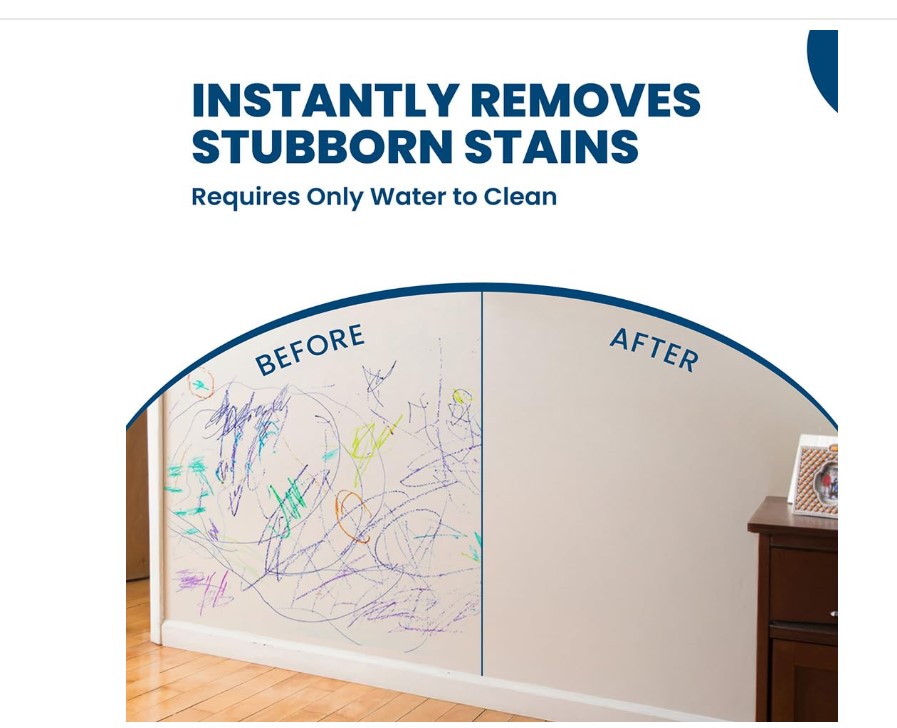
1. Ideal for Cleaning Kitchen Countertops
Kitchen countertops are used throughout the day for preparing meals, storing utensils, and organizing ingredients. As a result, they can accumulate food crumbs, grease, liquid spills, and everyday dirt.
A multi-surface cleaning sponge can help remove these common messes quickly. Simply dampen the sponge, apply a suitable cleaning solution, and wipe the countertop using gentle, even movements.
For everyday maintenance, a soft sponge is often sufficient to remove light spills and surface dirt. For more stubborn residue, a suitable non-abrasive cleaning product may help loosen the buildup.
Always use a cleaner that is compatible with your countertop material. Natural stone, such as marble, may be damaged by acidic cleaners, while some polished finishes can scratch easily.
After cleaning, rinse away any remaining cleaning product according to its instructions and allow the surface to dry.
2. Useful for Washing Dishes and Kitchen Utensils
One of the most common uses of a multi-surface cleaning sponge is washing dishes. Plates, bowls, cups, and many kitchen utensils can be cleaned with a sponge and an appropriate dishwashing liquid.
The soft side helps spread detergent, create foam, and remove food residue without unnecessary scratching on suitable items. A more textured side can help loosen dried food from cookware when the material is compatible with scrubbing.
A versatile sponge can make daily dishwashing easier while reducing the need to switch between multiple cleaning tools.
However, avoid using abrasive scrubbers on non-stick cookware, delicate glassware, or other scratch-sensitive items unless the manufacturer specifically approves them. For burnt-on food, soaking the cookware first may be safer than applying excessive pressure.
To maintain good hygiene, rinse the sponge thoroughly after washing dishes and allow it to dry between uses.
3. Effective for Bathroom Cleaning
Bathrooms require frequent cleaning because moisture, soap residue, and mineral deposits can accumulate on surfaces.
Depending on its design, a multi-surface cleaning sponge can help clean bathroom sinks, ceramic tiles, tubs, and other washable fixtures.
Use a soft sponge to wipe away toothpaste residue, soap splashes, and everyday dirt. For tougher buildup, choose a sponge with an appropriate scrubbing surface and use a bathroom cleaner suitable for the material.
A sponge can also help clean around taps and other fixtures, although small brushes may be more effective for narrow gaps and hard-to-reach corners.
For safety, never mix cleaning chemicals, especially bleach with acidic products or ammonia-based cleaners. Follow the product labels, ventilate the room, and rinse surfaces as directed.
It is also a good idea to keep bathroom cleaning sponges separate from those used for dishes and food preparation areas.
4. Helps Remove Grease and Stubborn Stains
Grease and dried-on residue can make cleaning difficult, particularly in kitchens where oil and food particles regularly come into contact with surfaces.
Some multi-surface sponges feature textured fibers or a scrubbing layer designed to loosen stubborn dirt. When combined with a suitable cleaning solution, these materials can help lift grease and residue more effectively than a soft cloth alone.
For example, you may use an appropriate sponge to clean a stovetop after it has cooled, wipe greasy cabinet surfaces, or remove residue from washable kitchen accessories.
For better results, allow the cleaning solution to sit for the recommended time before wiping. This can help loosen dirt without requiring excessive scrubbing.
Always test an unfamiliar sponge on a small, inconspicuous area first. Strong scrubbing action can damage painted surfaces, delicate coatings, and glossy finishes.
5. Suitable for Household Appliances
Household appliances such as refrigerators, microwaves, washing machines, and dishwashers need regular exterior cleaning to maintain a neat appearance.
A soft multi-surface sponge can help wipe fingerprints, light stains, and everyday dust from compatible exterior surfaces.
For example, use a lightly dampened sponge to clean refrigerator doors, wipe the exterior of a microwave, or remove marks from washable appliance panels.
Before cleaning, check the manufacturer’s instructions. Avoid allowing water to enter electrical openings, control panels, vents, or other sensitive components. Disconnect an appliance from power when recommended by its manufacturer.
For stainless steel, follow the grain where applicable and use a non-scratch sponge to reduce the risk of visible marks.
6. Useful for Furniture and Other Household Surfaces
A multi-surface cleaning sponge can also be useful for cleaning selected furniture and household items. Depending on its material, it may help wipe washable plastic furniture, suitable tabletops, storage containers, and certain durable surfaces.
A soft sponge can remove light dirt and spills without the need for a specialized tool for every task.
However, furniture materials vary significantly. Wood finishes, leather, fabric upholstery, painted surfaces, and delicate laminates may require specific cleaning methods. A wet sponge may damage some of these materials or leave marks.
Always check the care instructions and test the cleaning method in a hidden area before treating the entire surface.
Key Benefits of a Multi-Surface Cleaning Sponge
A well-chosen multi-surface cleaning sponge offers several practical advantages.
- Versatility: It can handle multiple cleaning tasks when its material is suitable for the surfaces involved.
- Convenience: One tool can reduce the need to switch between several basic cleaning accessories.
- Easy handling: Its compact shape makes it convenient to grip and use in everyday cleaning.
- Effective dirt removal: Textured or layered designs can help loosen grease, food residue, and common stains.
- Liquid absorption: Many sponge materials absorb water and cleaning solutions, helping with wiping and rinsing.
- Reusable design: Many sponges can be rinsed and reused until they show signs of wear, reducing the need for immediate replacement.
- Cost-effectiveness: Basic cleaning sponges are often an affordable option for routine household maintenance.
The actual performance depends on the sponge’s construction, the cleaning product used, and the type of surface being cleaned.
How to Choose the Right Multi-Surface Cleaning Sponge
Choosing the right sponge can improve cleaning results while helping protect your belongings.
1. Check the material: Cellulose sponges are often absorbent, while synthetic foam and microfiber designs offer different levels of softness and durability.
2. Consider the scrubbing surface: A dual-sided sponge may be useful for general cleaning, but make sure its abrasive side is safe for your intended surfaces.
3. Look for comfortable handling: Choose a shape and thickness that are easy to grip, especially if you clean frequently.
4. Match the sponge to your tasks: A sponge for dishes may not be appropriate for bathrooms, toilets, or heavy-duty outdoor cleaning.
5. Check durability: Choose a product that holds its shape, rinses easily, and does not shed material excessively during normal use.
6. Follow surface-care instructions: For delicate finishes, non-stick cookware, glass, and polished materials, prioritize products specifically labeled as non-scratch or surface-compatible.
How to Clean and Maintain a Cleaning Sponge
Cleaning your sponge regularly is important because damp sponges can accumulate food particles, odors, and microorganisms.
Follow these simple practices:
- Rinse the sponge thoroughly after each use to remove soap, dirt, and food debris.
- Squeeze out excess water without damaging the sponge.
- Store it in a well-ventilated location where it can dry between uses.
- Keep kitchen sponges separate from bathroom and toilet-cleaning tools.
- Replace the sponge when it develops a persistent odor, visible deterioration, discoloration that cannot be cleaned, or damaged fibers.
- Follow the manufacturer’s instructions for cleaning or sanitizing the sponge.
Do not assume that rinsing alone disinfects a sponge. Also, avoid microwaving or boiling a sponge unless its manufacturer explicitly confirms that the material and construction are safe for that method.